
Custom Rubber Injection Molding Manufacturer | MOQ 1000
Explanation
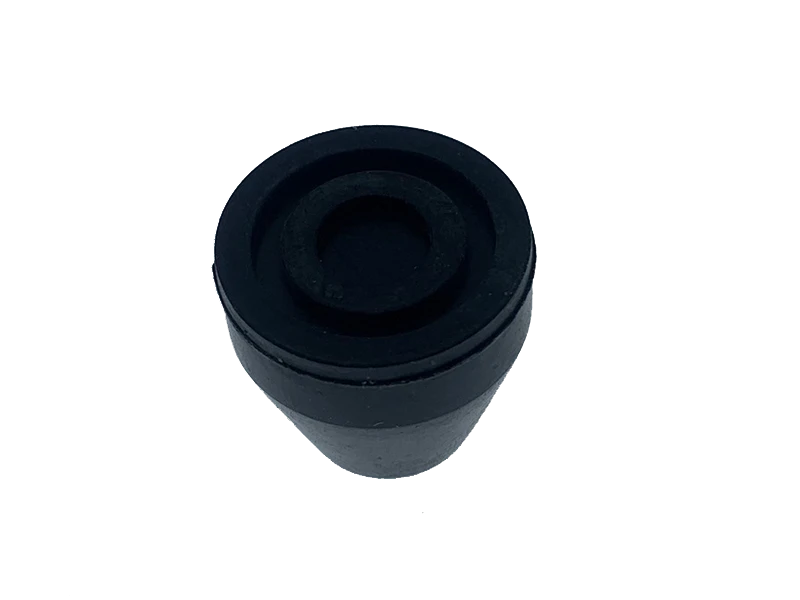
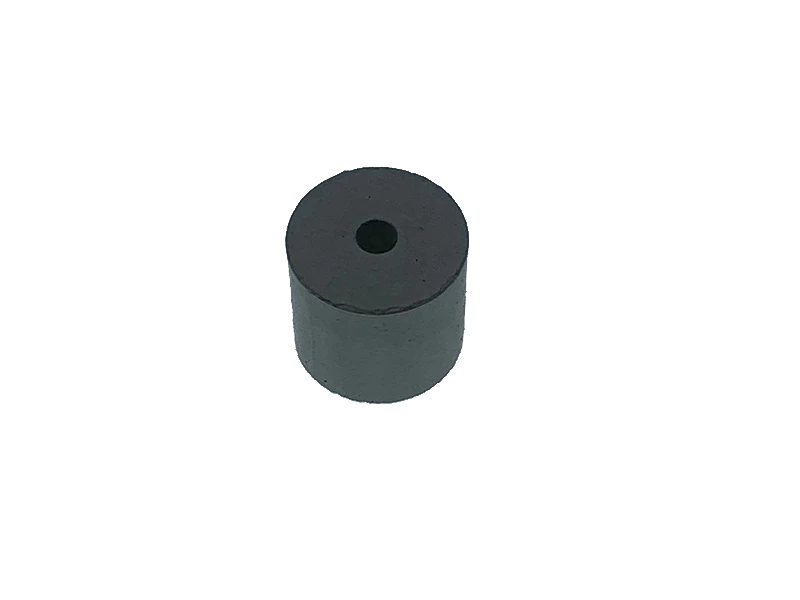
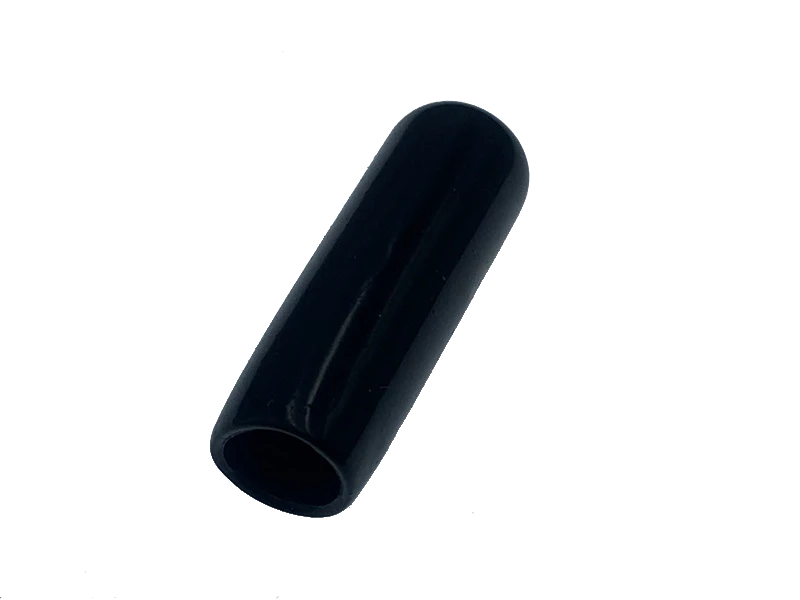
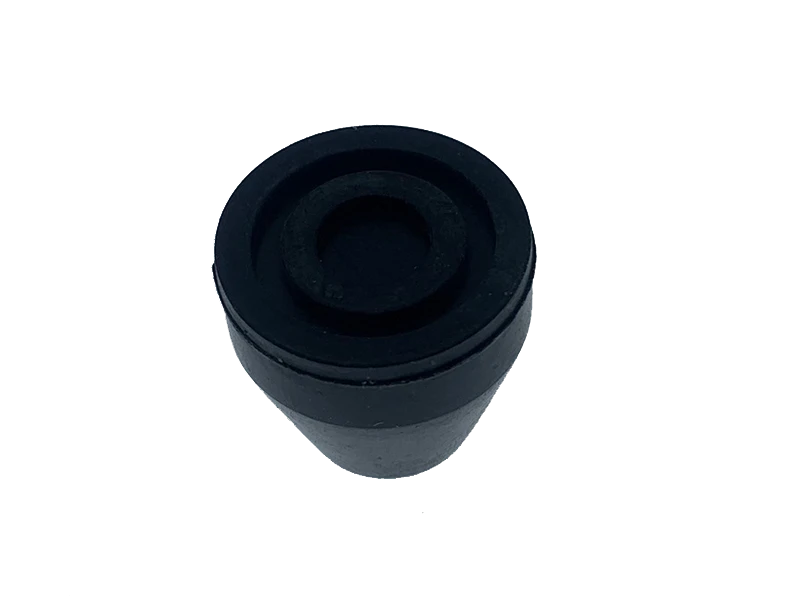
Rubber injection molding is a processing method that uses high temperature and high pressure to inject rubber materials into molds, and cures them inside the molds to give the rubber elasticity and shape. Sheng Ching also provides custom rubber injection molding services, allowing clients to create tailor-made rubber components based on specific design or functional requirements.
What are the differences between rubber injection molding and plastic injection?
- Rubber injection molding cures inside the mold, producing elasticity, suitable for making parts that require sealing or wear resistance.
What are the commonly used rubber materials?
- NBR (Nitrile Rubber): Oil-resistant, wear-resistant
- NR (Natural Rubber): Excellent elasticity, good water resistance
- SBR (Styrene-Butadiene Rubber): Wear-resistant, aging-resistant
- EPM, EPDM (Ethylene-Propylene Rubber): Heat-resistant, ozone-resistant
- CR (Chloroprene Rubber): Oil-resistant, good flame retardancy
- PU (Polyurethane): Wear-resistant, tear-resistant
Production process
- Rubber injection coating
- Removal of excess waste and burrs
- Quality control inspection of surface quality (bonding of wire and rubber)
- Packaging and shipping
What are the advantages of rubber injection molding?
- Suitable for mass production of precision parts
- Can combine with metal to enhance fit
- Rubber has excellent elasticity, wear resistance, and oil resistance
- Materials and colors can be selected according to needs
What common components is it used in?
- Sealing rings, gaskets
- Automotive parts (such as shock absorption, insulation components)
- Medical equipment
- Rubber parts combined with metal
- Insulation components
Sheng Ching—Taiwan rubber injection molding manufacturer provides professional rubber injection molding OEM services and custom rubber injection molding, suitable for mass production of precision, wear-resistant, or elastic parts. Sample proofing can be completed in 35–55 working days, allowing you to confirm design and quality before bulk production. We primarily operate with a MOQ of 1000 PCS, but also accept small custom orders and short lead time orders; inquiries for quantities below MOQ can be made through the online form.
Product Inquiry
| Image | Product Name |
|---|---|
|
Custom Rubber Injection Molding |